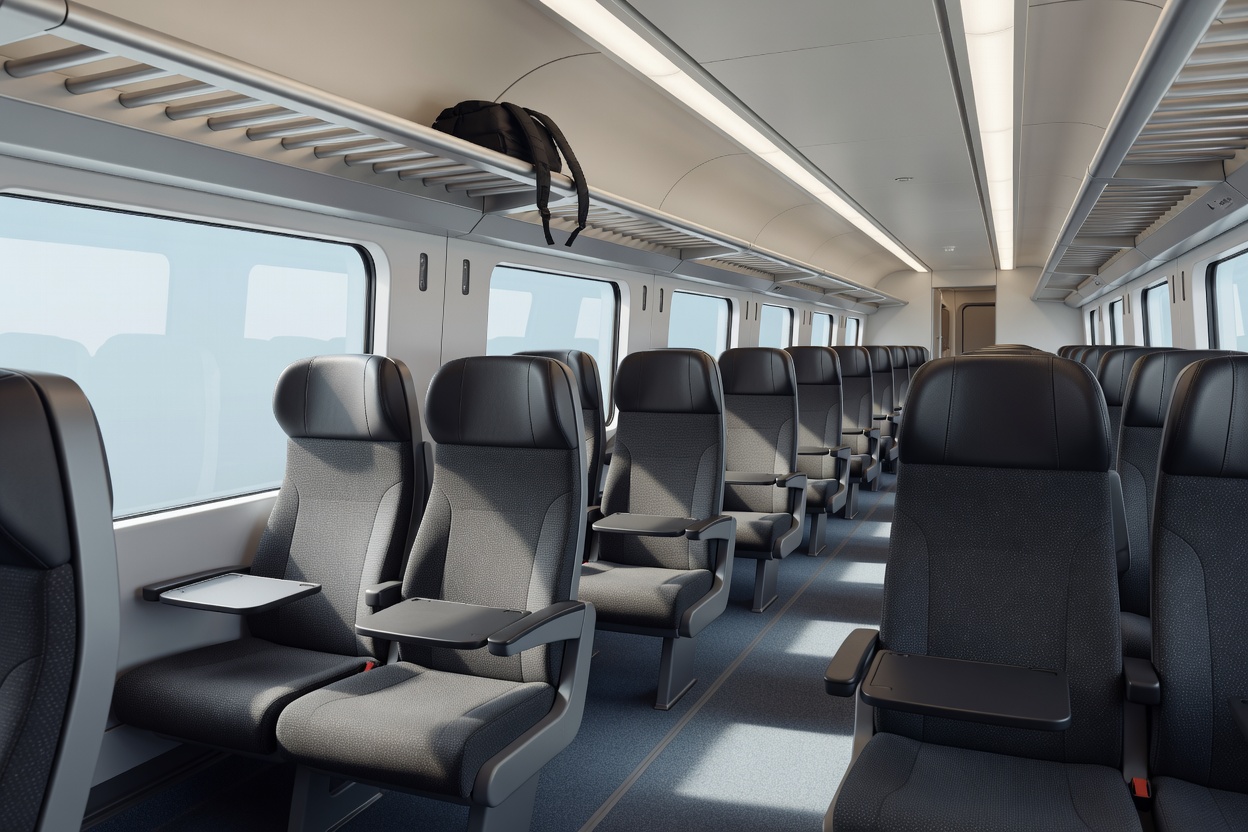
Train Interior Cleaning
Saloon floors, wool-blend upholstery, tray sanitization, and accessible washroom hygiene routines.
Explore Interior CleaningRailway hygiene goes well beyond sweeping carriage floors or running an automated wash arch. In contemporary European rail operations, every trainset balances tight turnaround windows, sensitive composite interiors, complex vestibule mechanics, and stringent ballast environmental controls.
Whether managing high-speed cross-border services, regional commuter fleets, or overnight sleepers, reliable cleanliness depends on disciplined sequences, surface-matched chemistries, and depots that can coordinate maintenance alongside detailing.
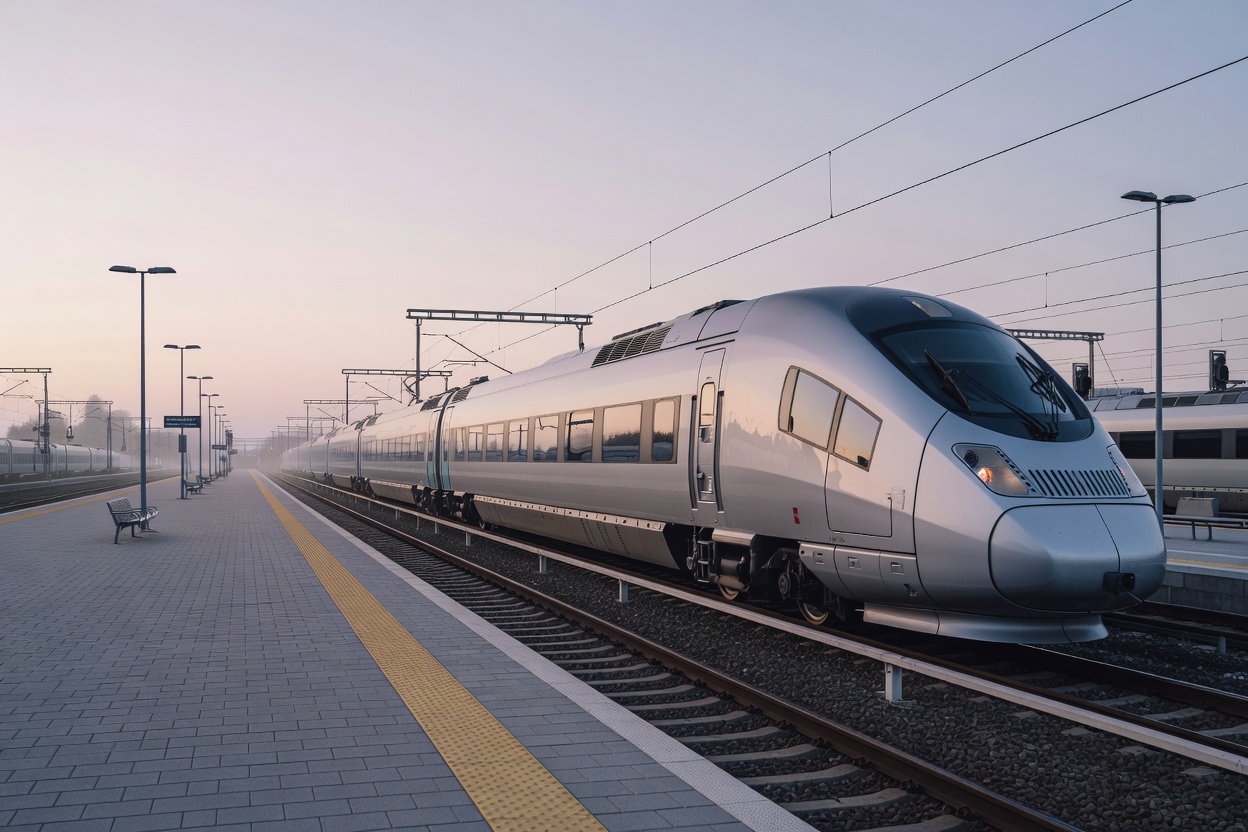
Unlike static building facilities or road fleets, railway carriages operate in intense cycles of passenger throughput and atmospheric exposure. Brake friction dust coats the undercarriage, pantograph carbon settles on outer roofs, and high-contact grab poles endure thousands of handfalls every commute.
The Clean Rail Standard documents the procedures, chemistries, and turnaround schedules that keep modern passenger rail rolling stock safe, welcoming, and mechanically sound across diverse European networks.
Every domain of train cleaning has its own rhythm, material sensitivities, and depot safety constraints.
Saloon floors, wool-blend upholstery, tray sanitization, and accessible washroom hygiene routines.
Explore Interior Cleaning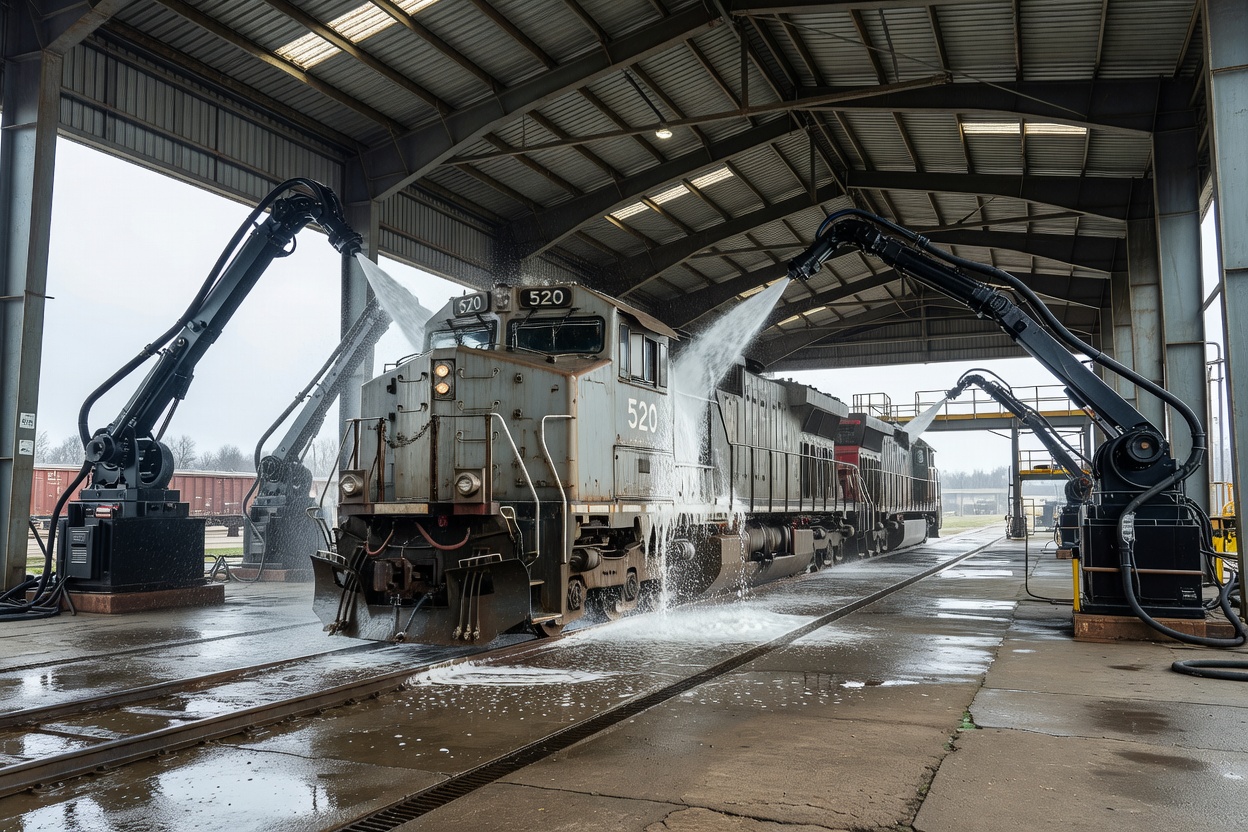
Addressing pantograph carbon, brake dust films, bodyside glazing clarity, and water reclamation.
Explore Exterior Cleaning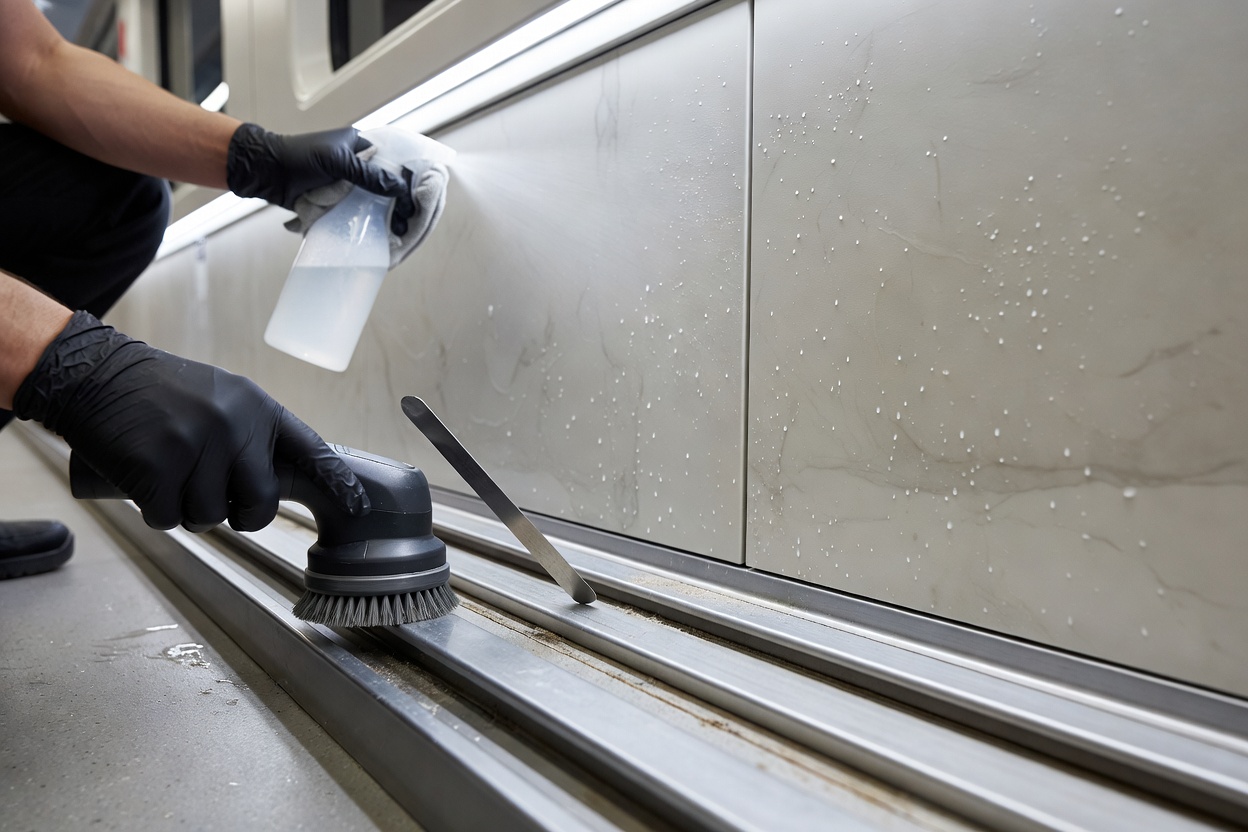
Intensive mechanical extraction, HVAC duct scouring, chewing gum removal, and ceiling restorative passes.
Explore Deep Cleaning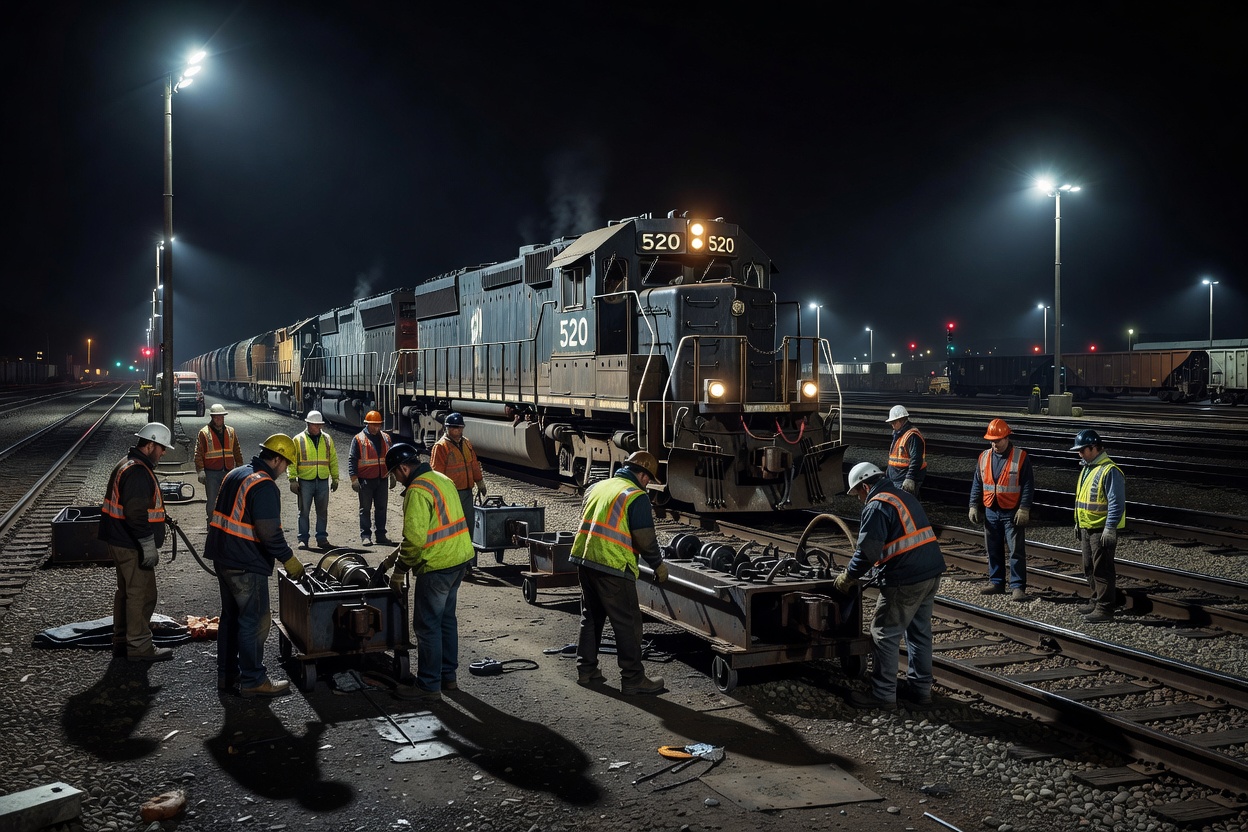
Rapid-fire terminal rubbish sweeps and overnight siding resets coordinated with shunting timetables.
Explore Depot Services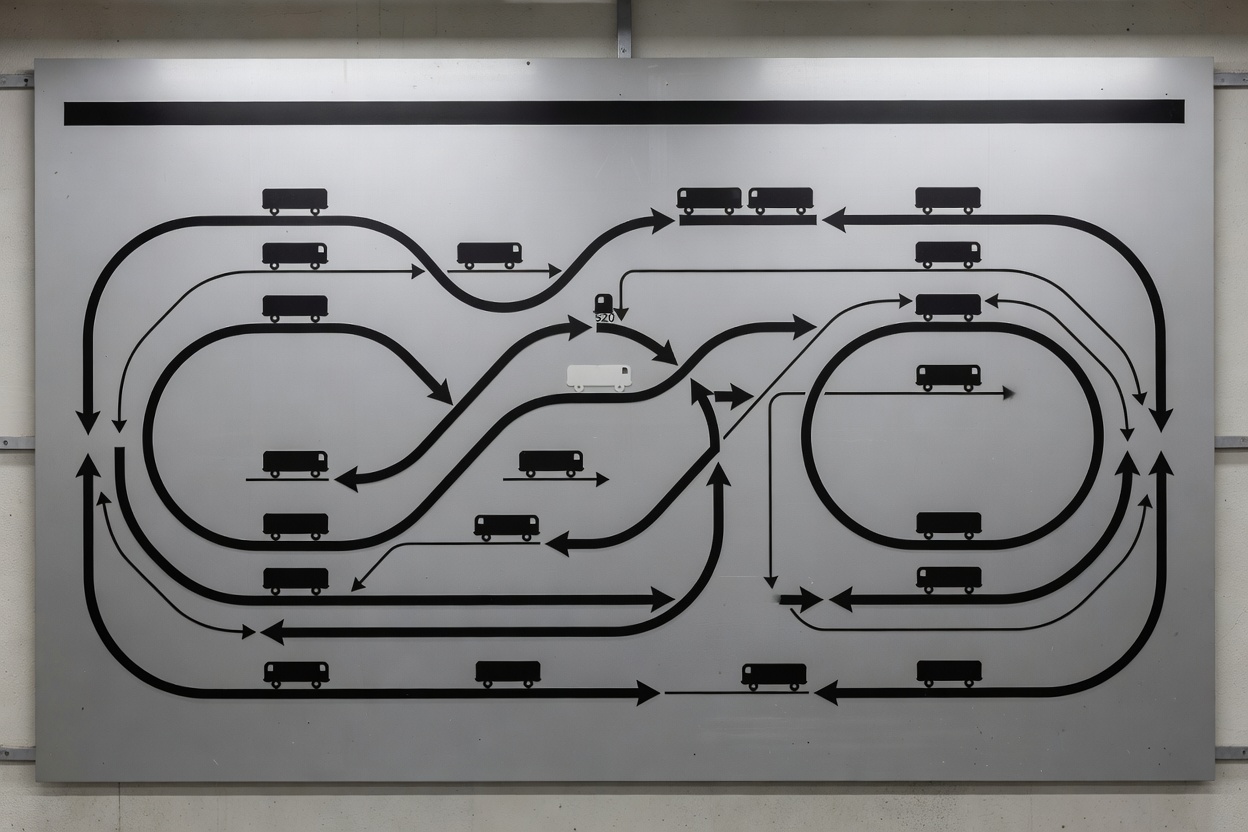
Scheduling cyclical deep cleans, balancing seasonal leaf-fall grime, and budgeting consumables across depots.
Explore Rail PlanningRailway carriages mix anodised aluminium, flame-retardant seat velours, polycarbonate window shields, and rubber door gaskets. Each requires tailored pH levels to avoid embrittlement or hazing.
Roofline cleaning and high-level bodyside work require lockout/tagout procedures under overhead catenary wires (25kV AC / 1.5kV DC) or third-rail electrical safety interlocks.
Depot wash tracks capture iron-rich runoff, degreasers, and detergent solids, routing discharge through sediment separation before regional municipal compliance.
Review standard operating procedures, material tolerances, and cleaning schedule planning for regional and mainline passenger rolling stock.